.svg)


Langwatch
Quick facts
2025 to 2026
We were brought onboard in October 2025 to help LangWatch reach enterprise buyers and turn a developer-led product into enterprise pipeline.
€325,250 in enterprise pipeline for a five person AI startup
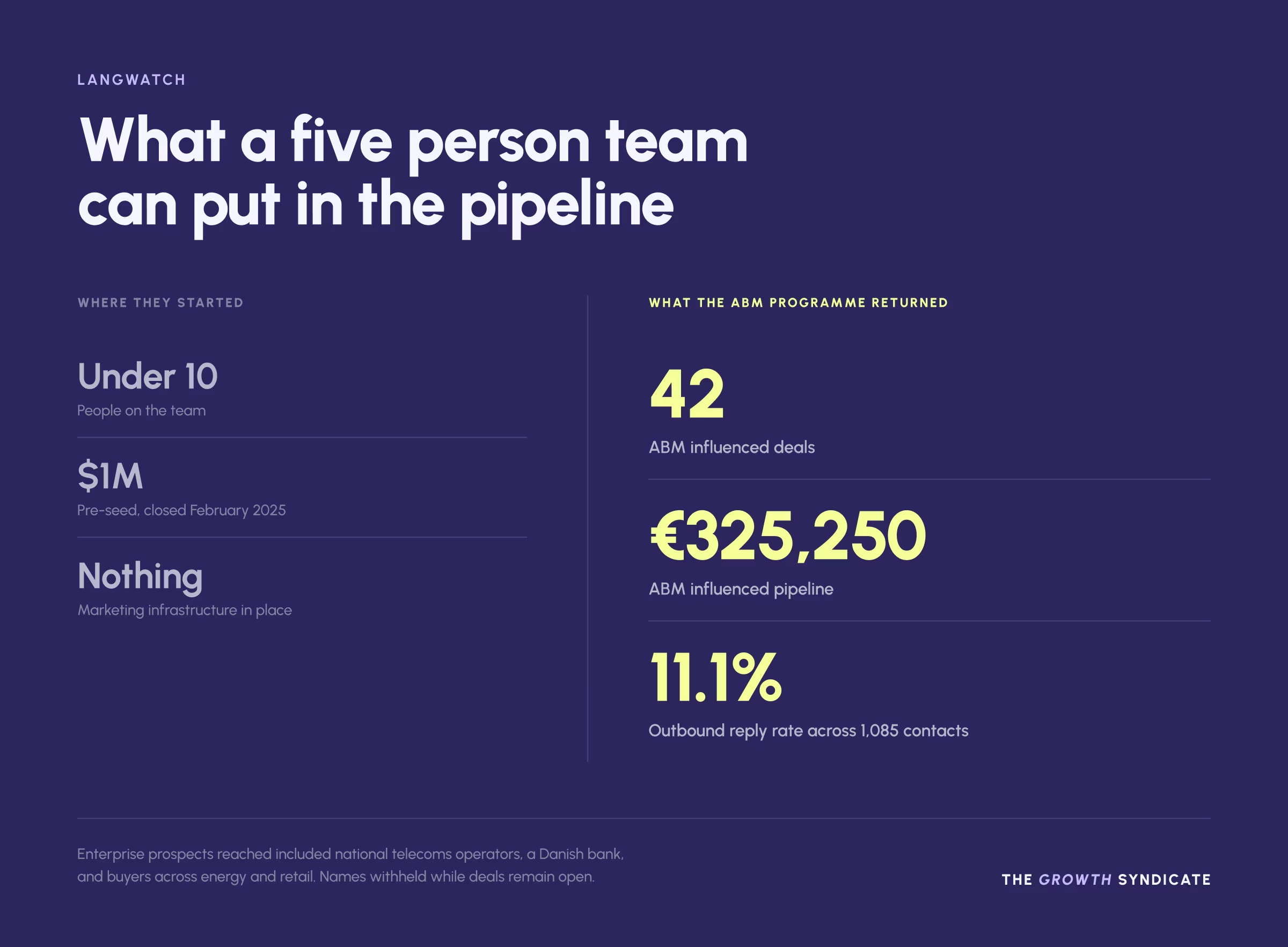
42 ABM-influenced deals · €325,250 influenced pipeline · 1,085 contacts reached · 11.1% outbound reply rate
The company
LangWatch builds observability and evaluation infrastructure for AI agents: the testing layer teams need before they put an agent in front of a customer. Agent simulations and evals, red teaming, the unglamorous work that decides whether an AI product survives contact with production.
When we began working together, the team was under 10 people and had closed a $1M pre-seed in February 2025. Small round, serious product. Over the course of the engagement they shipped agent simulations, agent skills, AI usage analytics and voice AI, a release cadence that would be respectable at four times the headcount.
The problem with enterprise
LangWatch's natural user is an AI engineer who finds the platform and starts using it. Their natural buyer sits three levels above that engineer, at a telco or a bank, and has never heard of them.
That gap was the whole problem. The company needed enterprise revenue to reach its next stage, and enterprise revenue does not arrive through developer word of mouth. It arrives when the CTO already knows who you are by the time your name reaches their desk.
Foundations first
There was no marketing infrastructure to build on, so we built some: a new website and SEO groundwork, plus developer-facing launch weeks to give the engineering audience something to show up for.
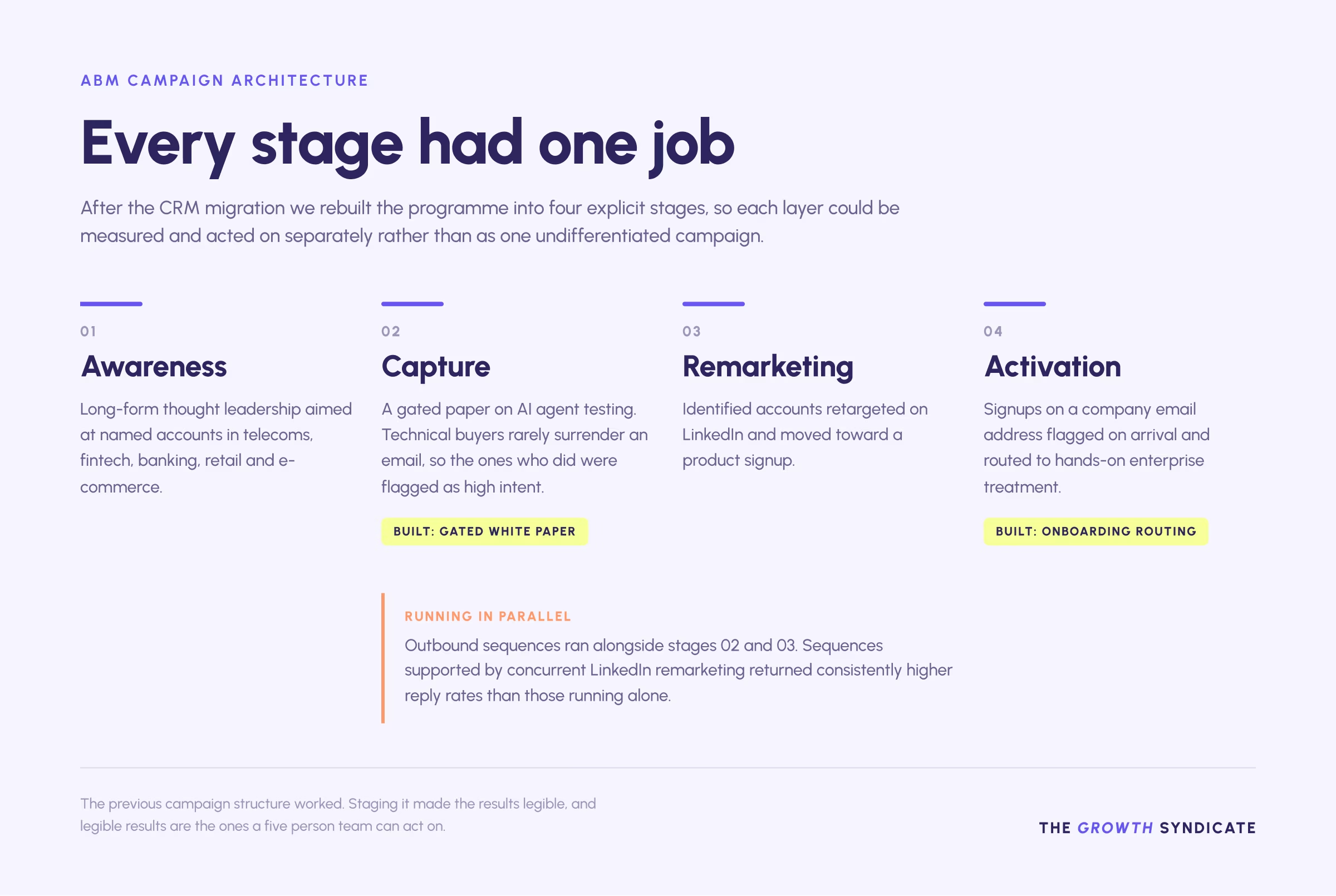
We also migrated the CRM and rebuilt the onboarding flow around how LangWatch actually gets bought. Sign up with a company email address and you were flagged and routed to hands-on treatment immediately, because the engineer on the free plan is where an enterprise deal starts.
Using ABM to move upmarket
We used account-based marketing to move LangWatch upmarket. It became the center of the program, pointed at the enterprise accounts that developer word of mouth was never going to reach.
Targeting started with enterprise accounts in telecoms, fintech, banking, retail and e-commerce. The initial focus was the Netherlands, then Benelux and the UK. As results came in we shifted weight toward AI-native mid-market organizations, where the knowledge gap we were speaking into was narrower and the buying cycle shorter.
After the CRM migration we rebuilt the campaign architecture into explicit funnel stages: awareness at the top, a middle layer designed to convert attention into a named contact, and remarketing at the base pushing identified accounts toward signup. The previous structure worked. Staging it made the results legible, which made them actionable.
Content that earned the room
LinkedIn carried the program. Long-form thought leadership written for people who build AI systems, and the numbers reflected an audience that recognized the difference.
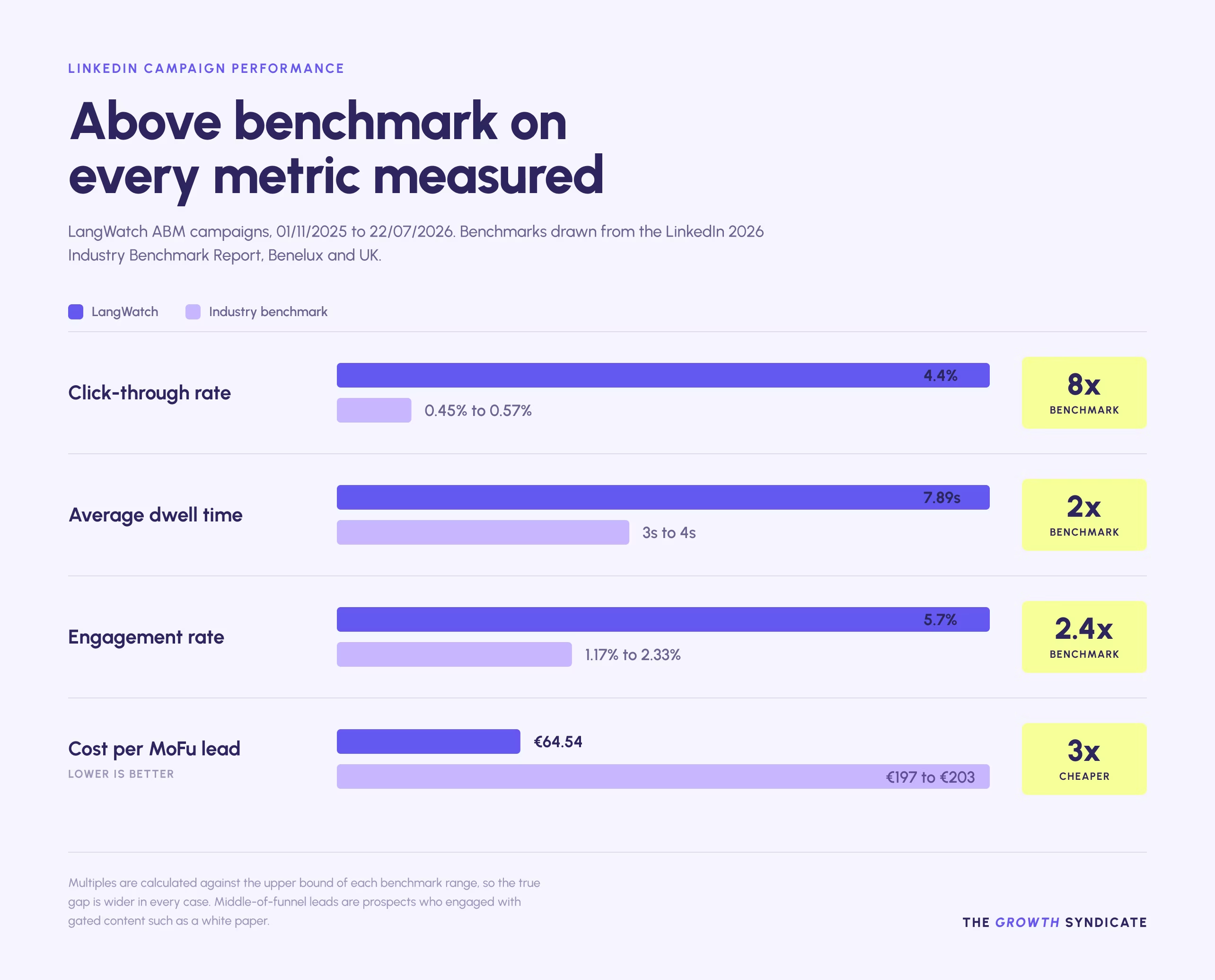
Across the campaign period, ads averaged a 4.4% click-through rate against a Benelux and UK benchmark of 0.45-0.57%. Average dwell time reached 7.89 seconds where the benchmark sits at 3 to 4. Engagement rate hit 5.7% against a benchmark of 1.17-2.33%.
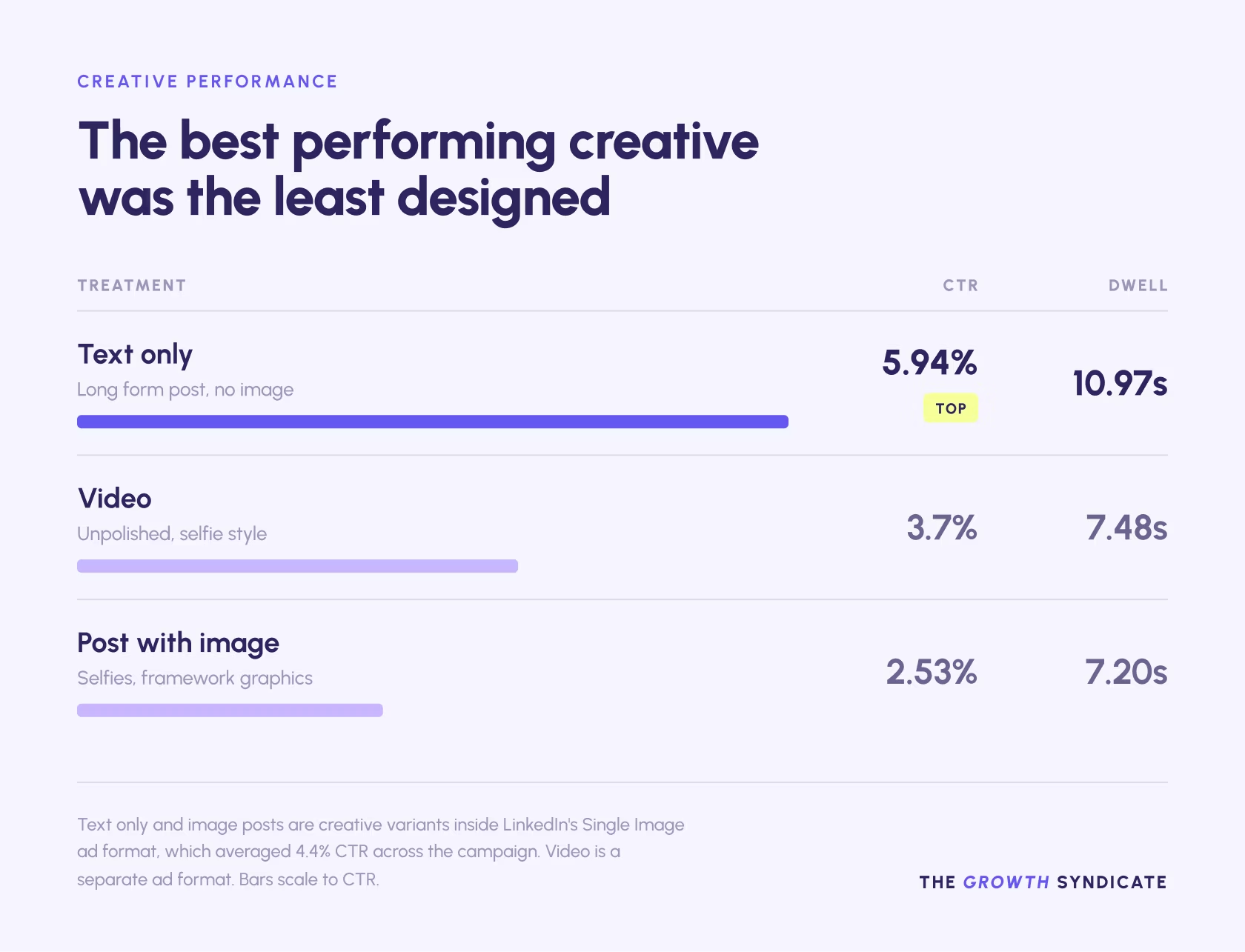
The best performing creative was the least designed. Plain long-form text posts pulled a 5.94% CTR and 10.97 seconds of dwell time, so people were reading the whole thing. Video followed at 3.7%. The pattern held throughout: specificity beat polish, and posts that named a real scenario or a real industry outperformed anything more general.
The white paper
The sharpest single test was a gated long-form paper on AI agent testing, written for enterprise CTOs who know they need agents and have no map for validating them.
The logic behind gating it was diagnostic. Technical buyers do not surrender an email address casually, so anyone who did was signaling real urgency. The paper gave them a step-by-step foundation: what to test, and where the failure modes hide. It also positioned LangWatch honestly against the alternatives.
It produced 11 high-quality leads at a cost per lead of €64.54, against a benchmark range of €197-€203. Among them: a major Dutch online grocery platform and enterprise energy providers.
Results
Over 9 months, the program influenced 42 deals and €325,250 in pipeline for a company that had raised $1M and employed fewer than 10 people.
Outbound ran alongside it and fed off it: 1,085 contacts reached at an 11.1% reply rate, with sequences supported by concurrent LinkedIn remarketing consistently outperforming those that ran alone. Named accounts in the pipeline included national telecoms operators, a Danish bank, and enterprise buyers across energy and retail.

We came to TGS with almost nothing in place on the marketing side. What we got back was a structure we could actually run, from the campaign architecture down to an onboarding flow that treats enterprise signups differently from everyone else. We're still running most of it.

Where it ended
The engagement closed the way the best ones do. LangWatch had built enough revenue to bring marketing in-house, a hire they could not have afforded six months earlier, and took the program over themselves. The thought leadership motion and the ABM campaign structure are still running.
They were building the product. We were helping them scale it to the next step. That was the brief, and that is where we left them.